SYSTEM STATUS: OPERATIONAL // CASEBOOK v2.6

See Why One Marking Outcome Was Chosen

Explore practical cases about contrast, consistency, visible detail, material response, and workshop decisions.

Marcus Vance, Founder of MarkOutcome
SYSTEM INITIATOR

TRANSPARENT MARKING OUTCOMES

In modern digital manufacturing, precision is not just a parameter—it is the foundation of operational trust. We created MarkOutcome Casebook to strip away the guesswork from laser marking and workshop execution.

Every day, engineering teams face the challenge of matching materials with the correct laser frequencies, speed profiles, and power ratios. By compiling real-world workshop outcomes, detailed comparisons, and verified case studies, we provide a blueprint for optimization that saves hours of trial and error.

Our database is built by professionals, for professionals. We focus strictly on measurable results, helping you achieve high-contrast, permanent marks that satisfy strict industrial standards without sacrificing production speed.

100%
Verified Cases
0%
Speculation
Marcus Vance
Founder & Chief Architect, MarkOutcome
Telemetry Report

Struggles vs. Precision Outcomes

Compare the typical challenges of unoptimized laser marking against the calibrated solutions engineered for modern digital production.

THE STRUGGLESERR_CODE: 404
Unoptimized marking results
  • Vague Visual Requirements

    Operating without clear material baselines, leading to endless trial-and-error adjustments on expensive substrates.

  • Inconsistent Marking Results

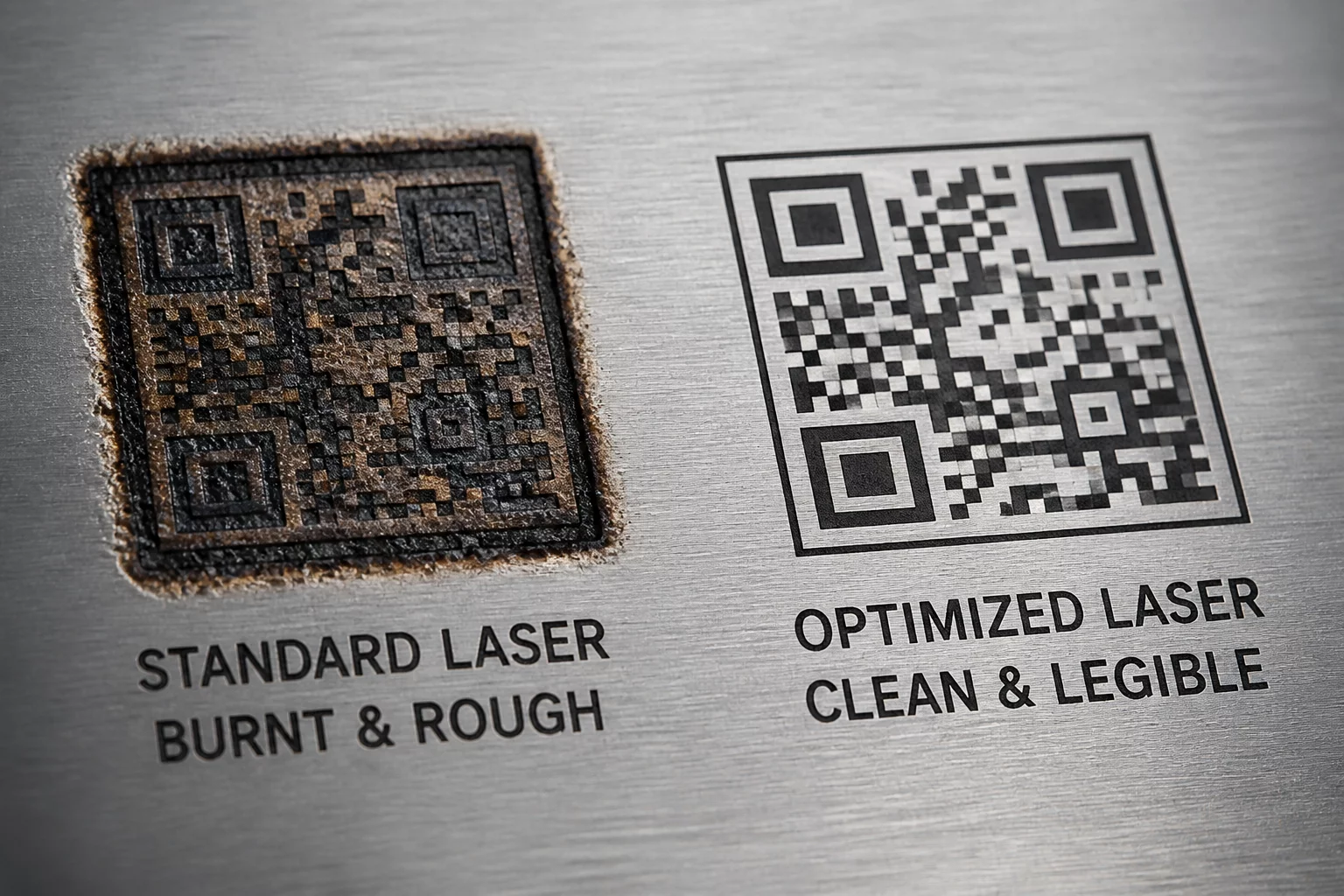
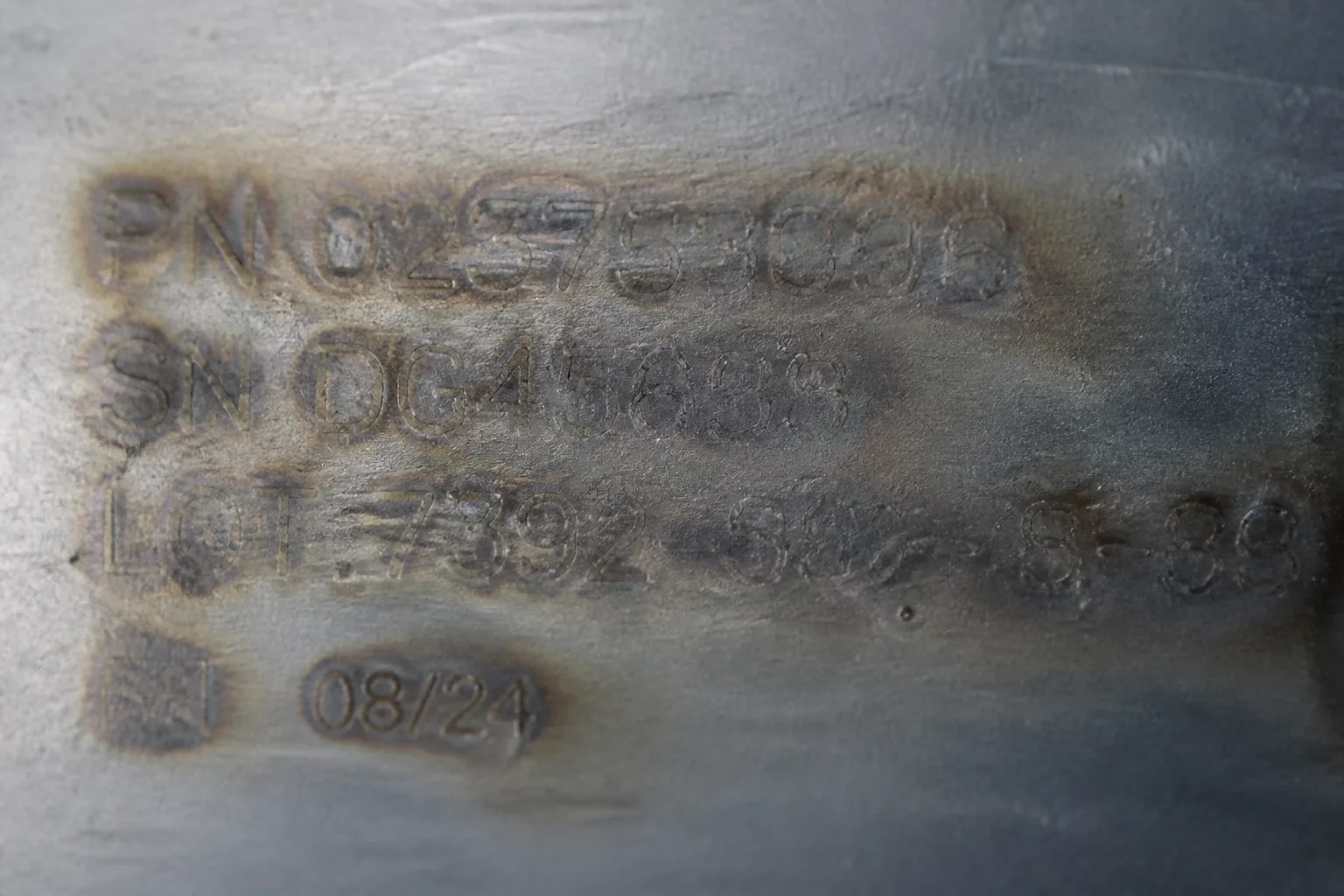
    Burned edges, low contrast, and unreadable barcodes that fail quality assurance audits and scanner verification.

  • Blind Parameter Guessing

    Manually tweaking speed, power, and frequency for every new batch with no documented baseline templates.

THE SOLUTIONSSYS_STATUS: OK
Optimized marking results
  • Clear Material Responses

    Pre-tested material response matrices showing exact visual outcomes before you even power on the laser.

  • Documented Edge Quality

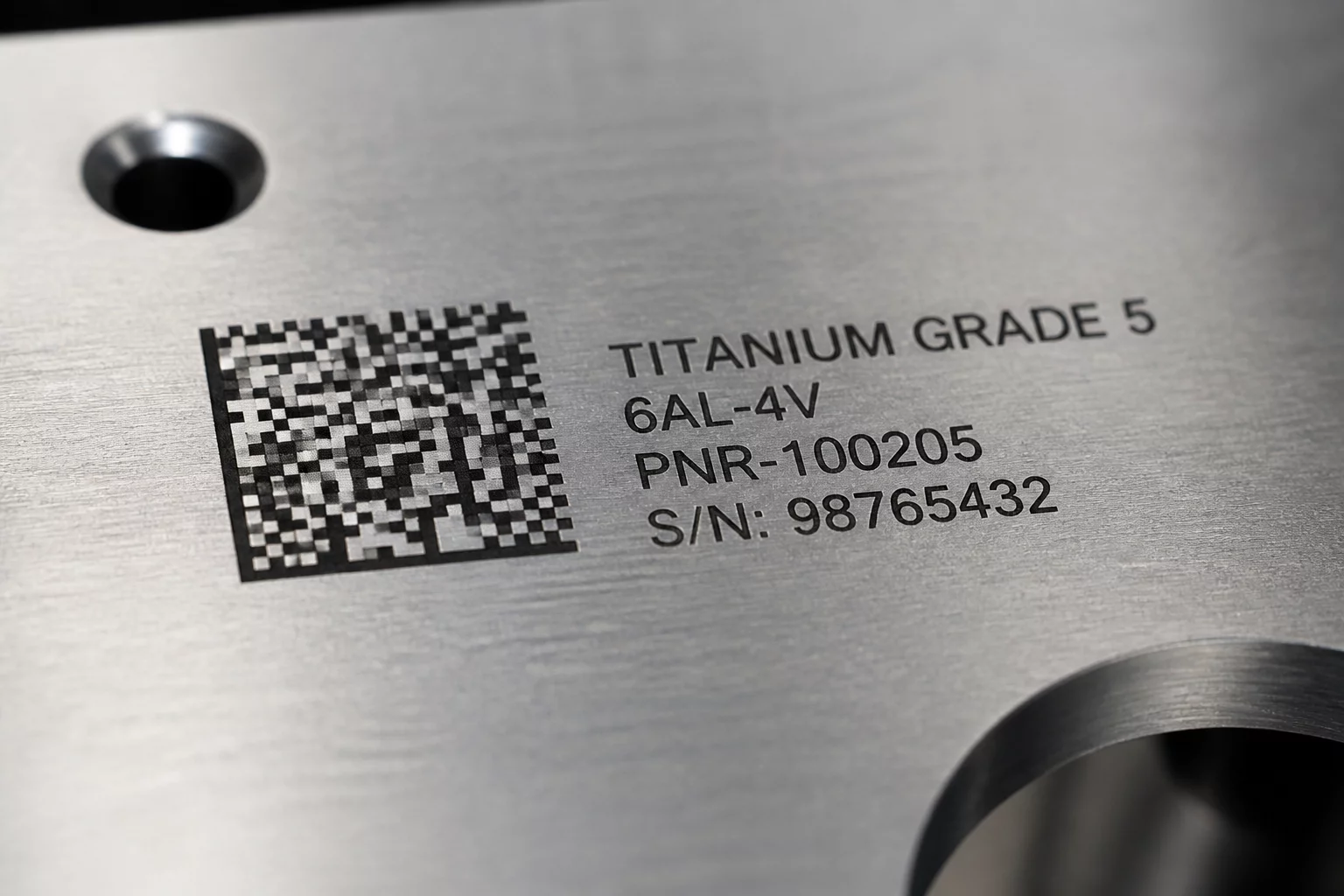
    Razor-sharp engraving, zero heat-affected zones, and high-contrast DataMatrix codes verified for industrial compliance.

  • Optimized LightBurn Templates

    Ready-to-use parameter settings tailored to your specific fiber or UV laser engraver speeds and frequencies.

[ Scope Specification ]

Fabrication Review Boundaries

Understand exactly what is covered in our technical assessment to ensure alignment before we begin analyzing your workshop marking outcomes.

Included in the Review

  • Parameter OptimizationPrecise tuning of laser power, speed, frequency, and pulse width for targeted materials.
  • Substrate EvaluationCompatibility testing for stainless steel, anodized aluminum, brass, and industrial polymers.
  • Vector & Hatching ReviewAnalysis of CAD/vector files, line paths, and fill patterns to prevent overlap errors.
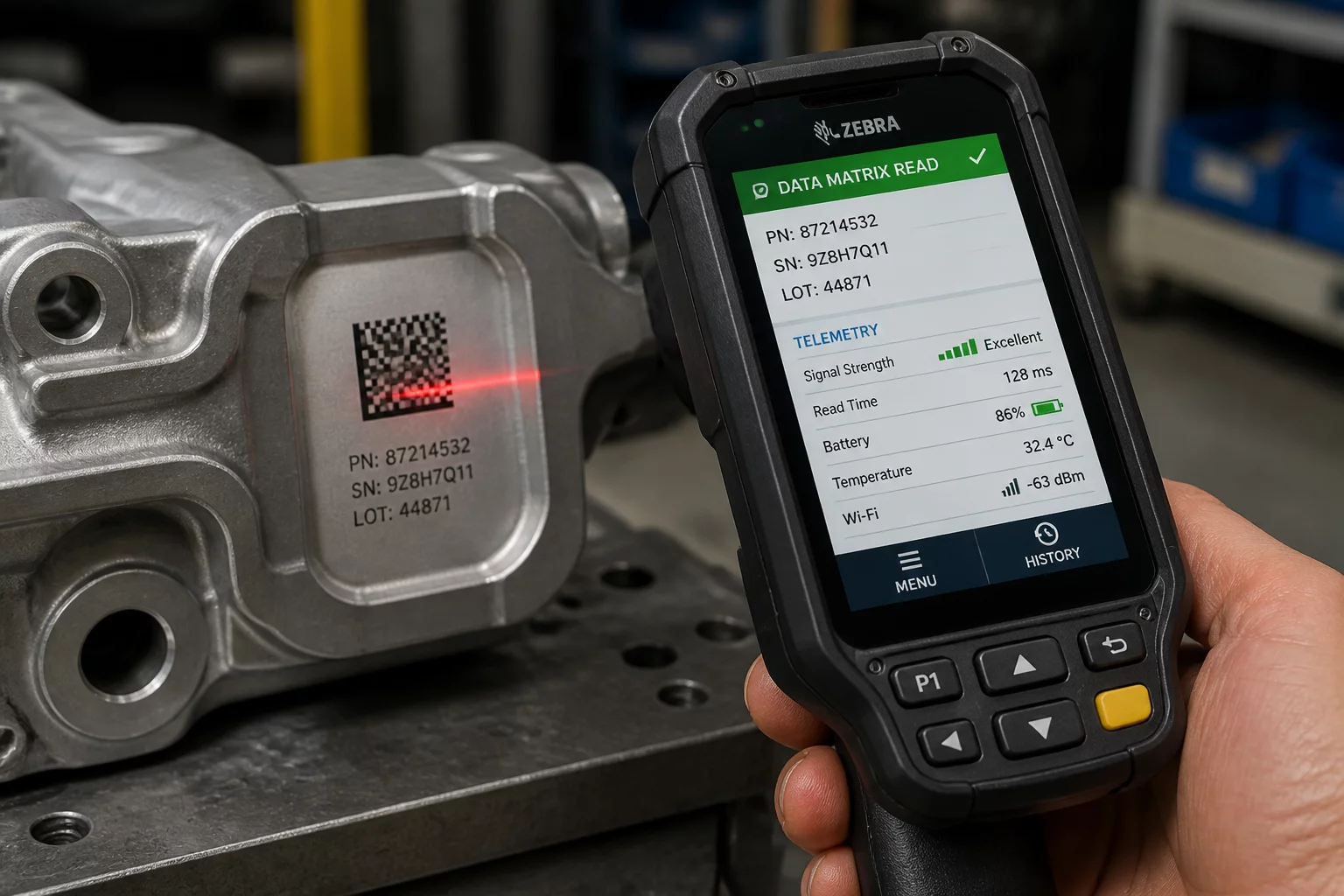
  • Contrast & Readability AnalysisVerification of DataMatrix, QR codes, and alphanumeric markings using standard scanners.
  • Cycle Time EstimationCalculation of marking speed per part to identify production line throughput bottlenecks.

Excluded from the Review

  • Physical Hardware CalibrationOn-site mechanical repairs, optical alignment, or physical laser tube replacements.
  • Material Sourcing & SupplyProvision of raw metal sheets, plastic plates, or other physical marking substrates.
  • Custom Graphic DesignFull creation of branding logos, complex vector illustrations, or non-technical artwork.
  • ERP/MES IntegrationDirect API coding or database configuration for third-party production management systems.
  • Post-Marking TreatmentsChemical anodizing, protective powder coating, or post-process surface sealing.

Need a custom evaluation scope or have questions about the boundaries?

System Qualification

Who We Serve & Who We Do Not

Before exploring our telemetry and marking database, check if your workshop alignment matches our technical scope.

[ SYSTEM MATCH ]

Ideal Target Audience

We are designed specifically for industrial professionals who prioritize precision and data-driven output.

  • Industrial Laser Operators: Teams needing exact power, speed, and frequency parameters for metal and polymer engraving.
  • QA Specialists: Managers looking to eliminate barcode and DataMatrix scan failures on production lines.
  • LightBurn Users: Workshop technicians seeking ready-to-test libraries and documented material behaviors.
  • Digital Production Managers: Operations aiming to reduce cycle times and optimize laser hardware efficiency.
Optimal compatibility verified for active workshops.
[ OUT OF SCOPE ]

Not A Fit

Our platform is highly specialized. You may find it inefficient if your focus lies in the following areas.

  • Hobbyists & Crafters: Those looking for basic DIY projects, home crafting ideas, or decorative vector files.
  • No Laser Hardware: Teams that do not own or operate industrial fiber, UV, or CO2 marking equipment.
  • Generic Agencies: Marketing agencies searching for high-level business theories rather than cold hard parameters.
  • Design Generators: Users expecting automated artwork generation tools instead of technical case studies.
Redirecting unqualified traffic to save operational bandwidth.

CHOOSE YOUR CASEBOOK SUBSCRIPTION

Get access to verified digital manufacturing case studies, precise laser marking parameters, and direct workshop optimization consulting.

STARTER ACCESS

$49 / month

Essential reference for small maker workshops and independent technicians.

  • Access to 5 standard case studies
  • Baseline laser marking parameters
  • Community forum access
  • Email support (48h response)

ENTERPRISE

$399 / month

Dedicated industrial integration, telemetry configuration, and custom testing.

  • Custom case study requests
  • Full OT/IT integration consulting
  • On-demand parameter testing
  • Dedicated Slack communication channel
  • 24/7 Phone & email support
[ TELEMETRY FEED: CASE STUDIES ]

PRACTICAL OUTCOMES & WORKSHOP DECISIONS

Real-world laser marking tests, parameter comparisons, and quality reviews from our digital manufacturing labs.

Darker Was Not Better
CASE #081 FAIL ANALYSIS

Darker Was Not Better

Laser Type Fiber 30W
Material Stainless 304
Power Level 95% (Overburn)
Frequency 20 kHz

High-power dark marking caused micro-cracking and carbon buildup. Shifting to multi-pass low-power annealing resolved the issue.

View Full Analysis
Cleaner Edges Won the Review
CASE #082 PASS ANALYSIS

Cleaner Edges Won the Review

Laser Type UV 3W
Material Medical ABS
Power Level 45% (Cold)
Frequency 40 kHz

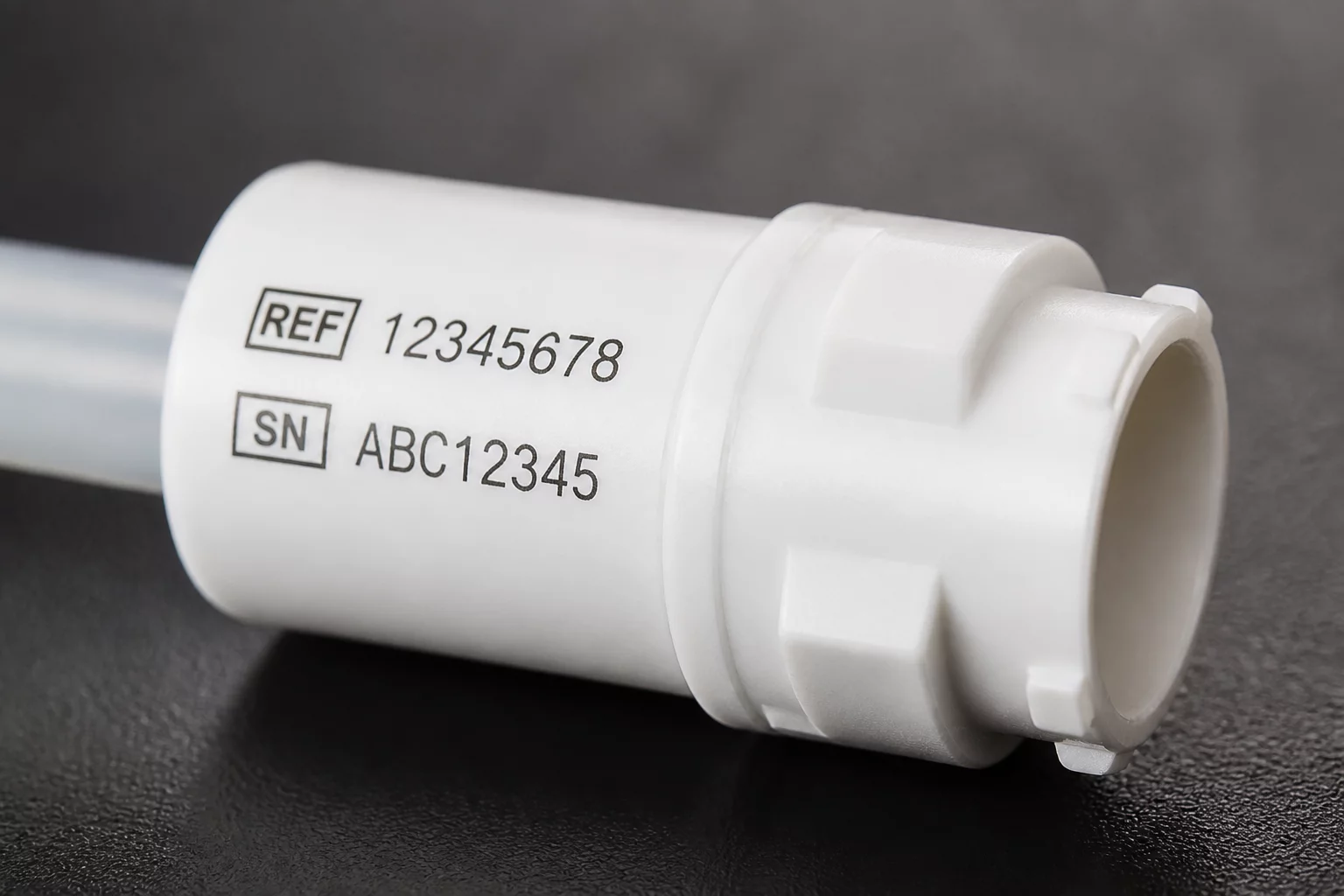
High-speed fiber marking melted the plastic edges. Switching to a UV cold laser with tighter raster spacing resulted in razor-sharp readability.

View Full Analysis
Two Materials Reacted Differently
CASE #083 PASS ANALYSIS

Two Materials Reacted Differently

Laser Type Fiber 50W
Material Alum vs Steel
Power Level 70% (Shared)
Frequency 35 kHz

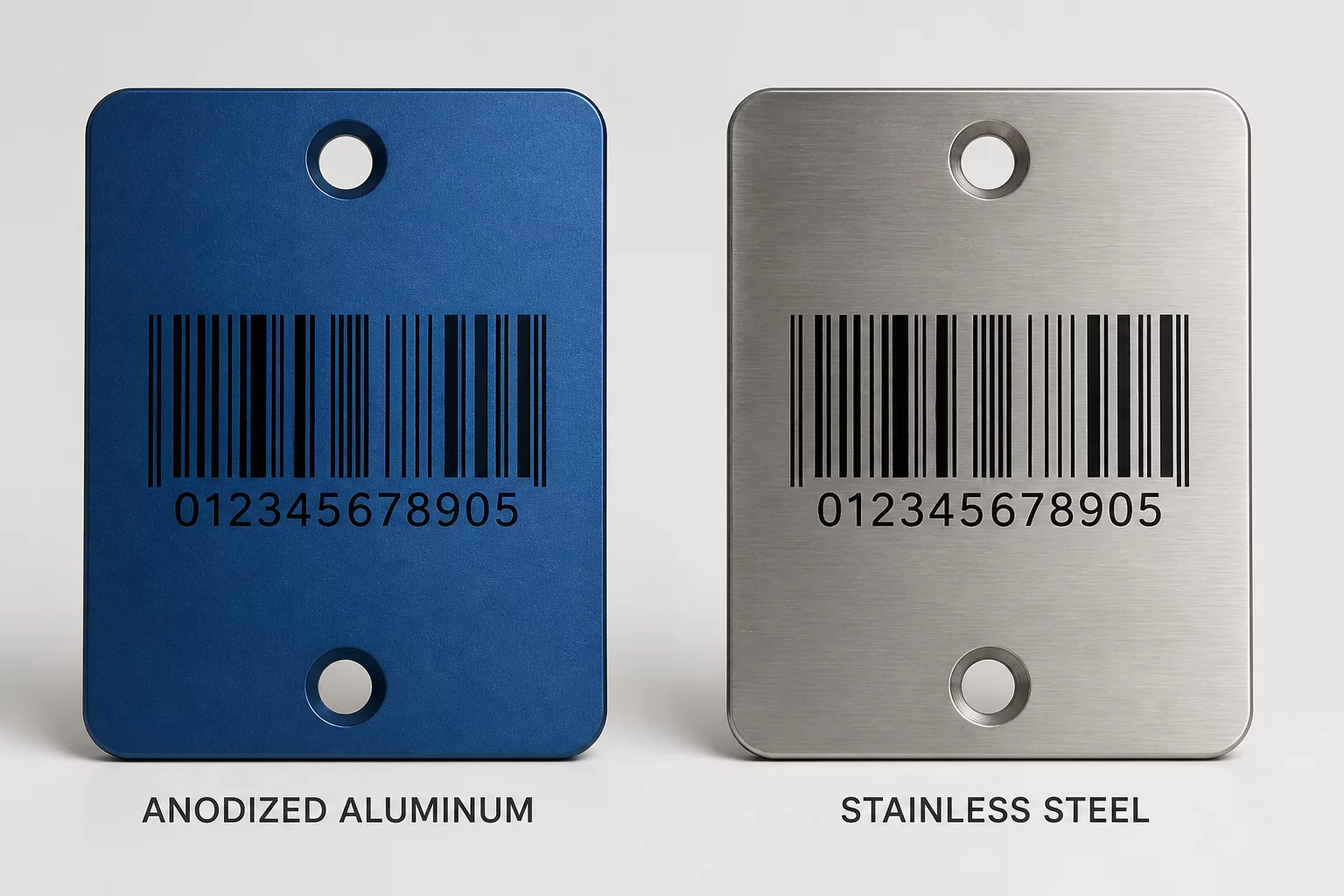
Identical settings produced a crisp white mark on anodized aluminum but scorched raw steel. Custom material presets were required.

View Full Analysis
One Sample Looked Better but Was Less Consistent
CASE #084 FAIL ANALYSIS

One Sample Looked Better but Was Less Consistent

Laser Type CO2 60W
Material Yellow Brass
Power Level 80% (High)
Frequency 25 kHz

High-contrast brass engraving looked stunning initially but failed consistency tests across a 500-unit production batch due to heat buildup.

View Full Analysis
A Repeat Test Changed the Decision
CASE #085 PASS ANALYSIS

A Repeat Test Changed the Decision

Laser Type Fiber 20W
Material Anodized Alum
Power Level 50% (Adjusted)
Frequency 30 kHz

Initial tests showed poor contrast. After adjusting the focal height by +1.5mm to widen the beam spot, the repeat test achieved flawless black marking.

View Full Analysis
The Original Visual Requirement Was Too Vague
CASE #086 PASS ANALYSIS

The Original Visual Requirement Was Too Vague

Laser Type Fiber 30W
Material Steel Alloy
Power Level 60% (Optimal)
Frequency 25 kHz

Shifting from subjective 'human-readable' criteria to a strict 'minimum 1.5 contrast ratio' metric saved a 10,000-part automotive run from rejection.

View Full Analysis