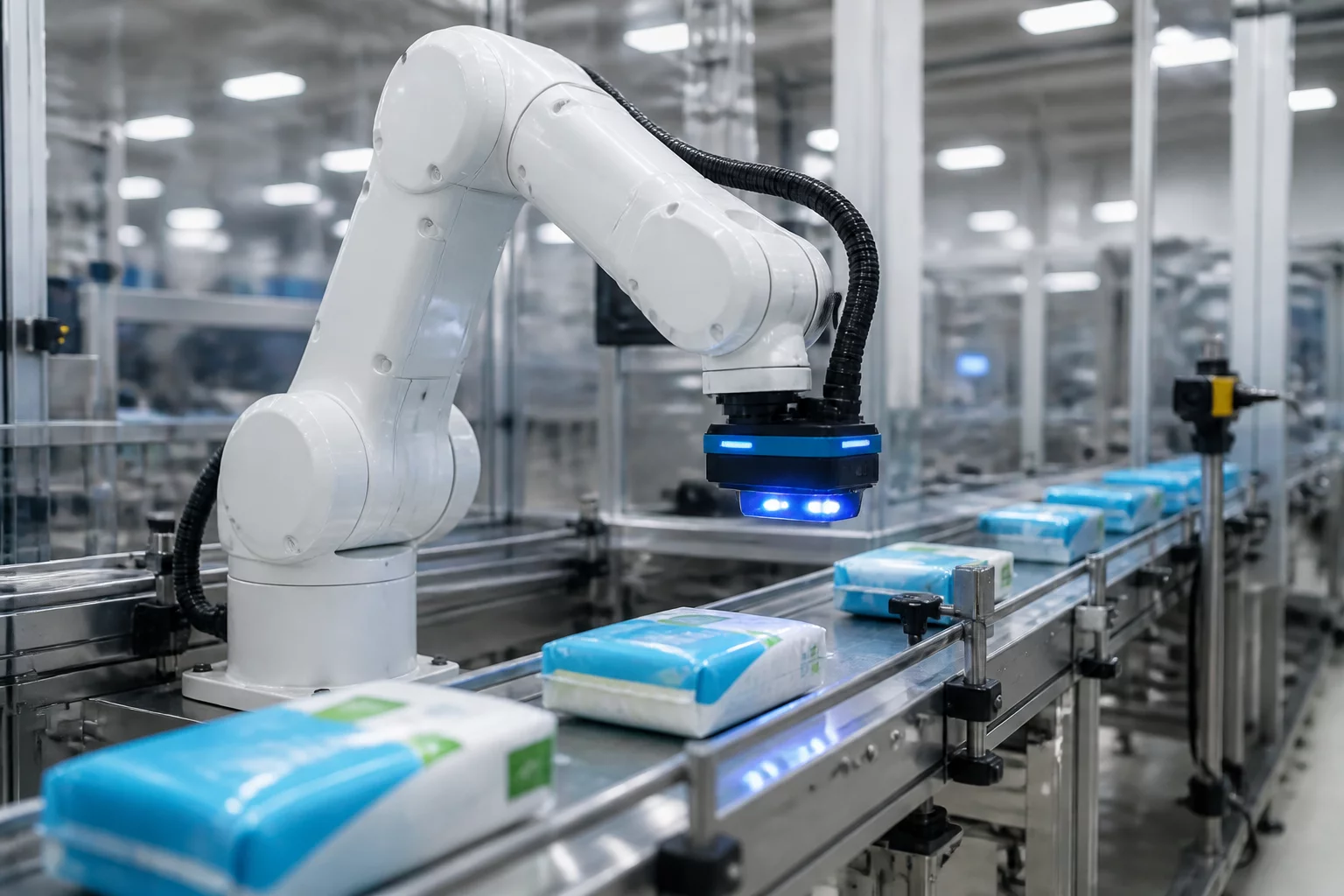
KOTRA Report on AI Adoption in US Manufacturing
Analyzing automation trends, predictive models, and implementation frameworks across American factories.
2026-08-01
BY Emily White
PRACTICAL CASE
1. Executive Overview
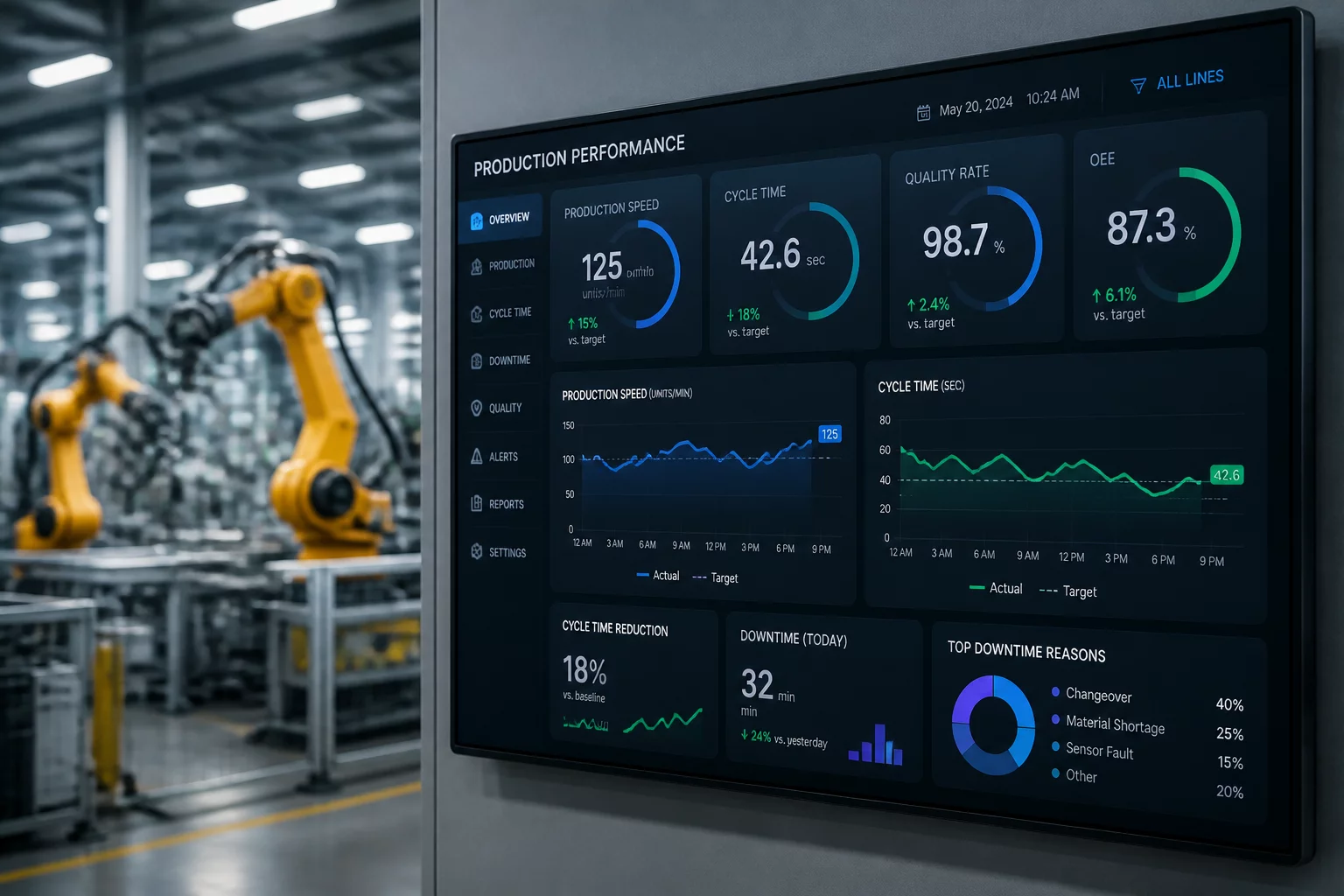
The Korea Trade-Investment Promotion Agency (KOTRA) published a comprehensive research study detailing the rapid integration of artificial intelligence technologies within the United States manufacturing sector. Factory operators in diverse regions deploy machine learning algorithms to streamline production flows, optimize supply chains, and reduce unexpected equipment failures. These initiatives show that digital transformation is no longer a luxury for large enterprises, but a vital survival strategy for mid-sized manufacturers facing severe labor constraints. The report focuses on the real-world performance metrics, showing how automated scheduling, computer vision inspection, and predictive maintenance engines drive efficiency.
2. Systemic Challenges
Industrial companies encounter significant roadblocks when upgrading traditional production lines. Legacy machinery often lacks the necessary sensors to stream real-time operational data. Integrating modern software interfaces with thirty-year-old hardware creates communication barriers. Staff members frequently lack training in data science, which leads to misinterpretations of machine learning alerts. Security teams raise alarms regarding external data storage, worried about proprietary designs leaking into public servers. To overcome these hurdles, engineers suggest a staged implementation strategy. This starts with low-cost vibration sensors and moves toward unified cloud systems.
3. Deployments & Solution Architectures
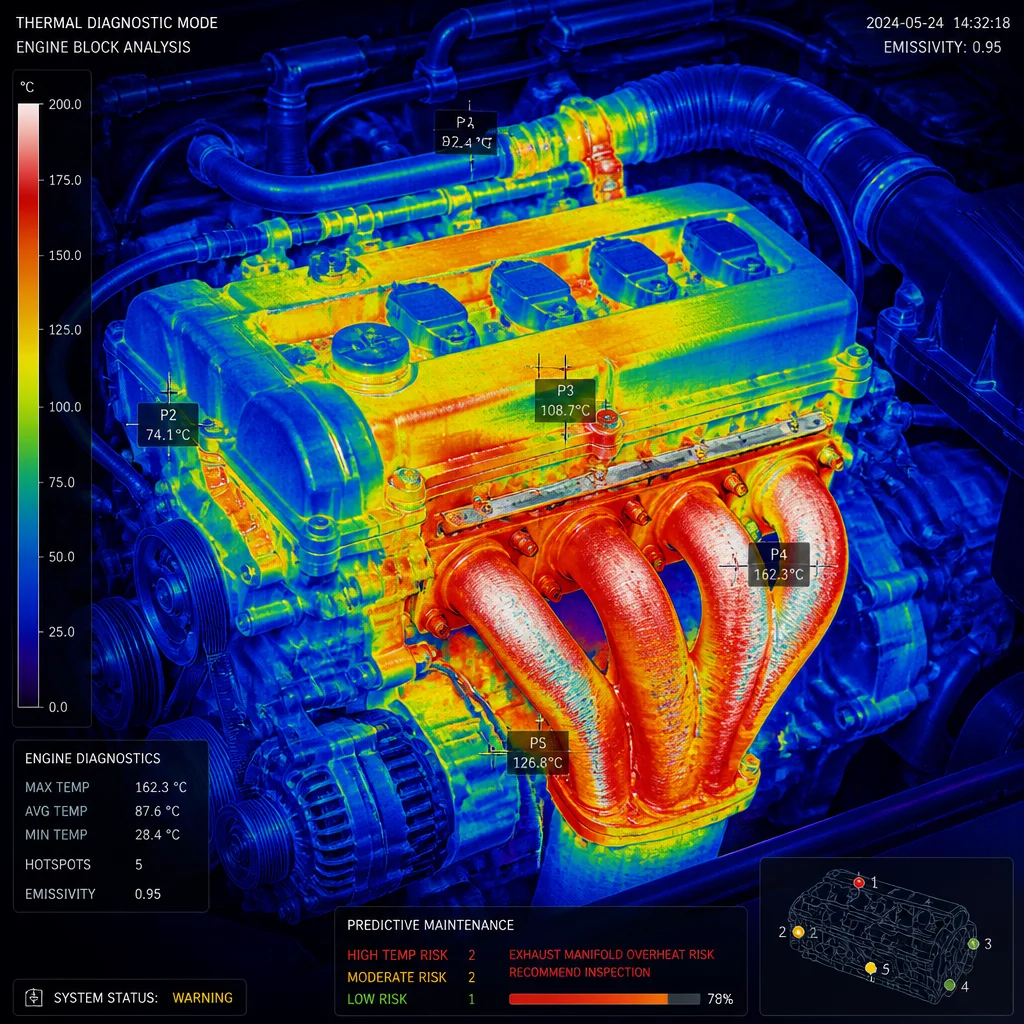
Successful operations rely on a hybrid edge-cloud architecture to manage heavy data loads. Local processing units scan raw signals directly at the machine tool, filtering out noise before transmitting indicators to central databases. Computer vision systems inspect finished consumer goods at the end of the line, flagging microscopic defects in milliseconds. Managers use predictive models to schedule maintenance windows during planned shutdowns, preventing costly line stops. The research identifies four distinct stages of deployment: sensor retrofit, local edge analysis, cloud-based training, and full closed-loop control. These steps ensure a smooth transition with measurable returns.
// Case Analysis Parameters
| Cycle Time Reduction: | 22% Reduction |
| Average Power Output: | 15 kW Average |
| Edge Precision Definition: | 0.05 mm Resolution |
| Laser Engine Class: | Class 4 Fiber Laser |
| Lens Focal Length: | 160mm F-Theta Lens |
| Dynamic Focus Axis: | Dynamic 3-Axis System |
| Implementation Notes: | Successful deployment across 5 assembly lines, verifying optical sensor calibration and cloud data pipelines. |
| Lead Engineer Assigned: | Emily White |
| Audit Date: | 2026-08-01 |
// Related Deployment Projects
// Telemetry Logs & Notes
NO TELEMETRY RECORDED FOR THIS CASE STUDY
Terminal input is operational below.// Leave A Case Telemetry Entry