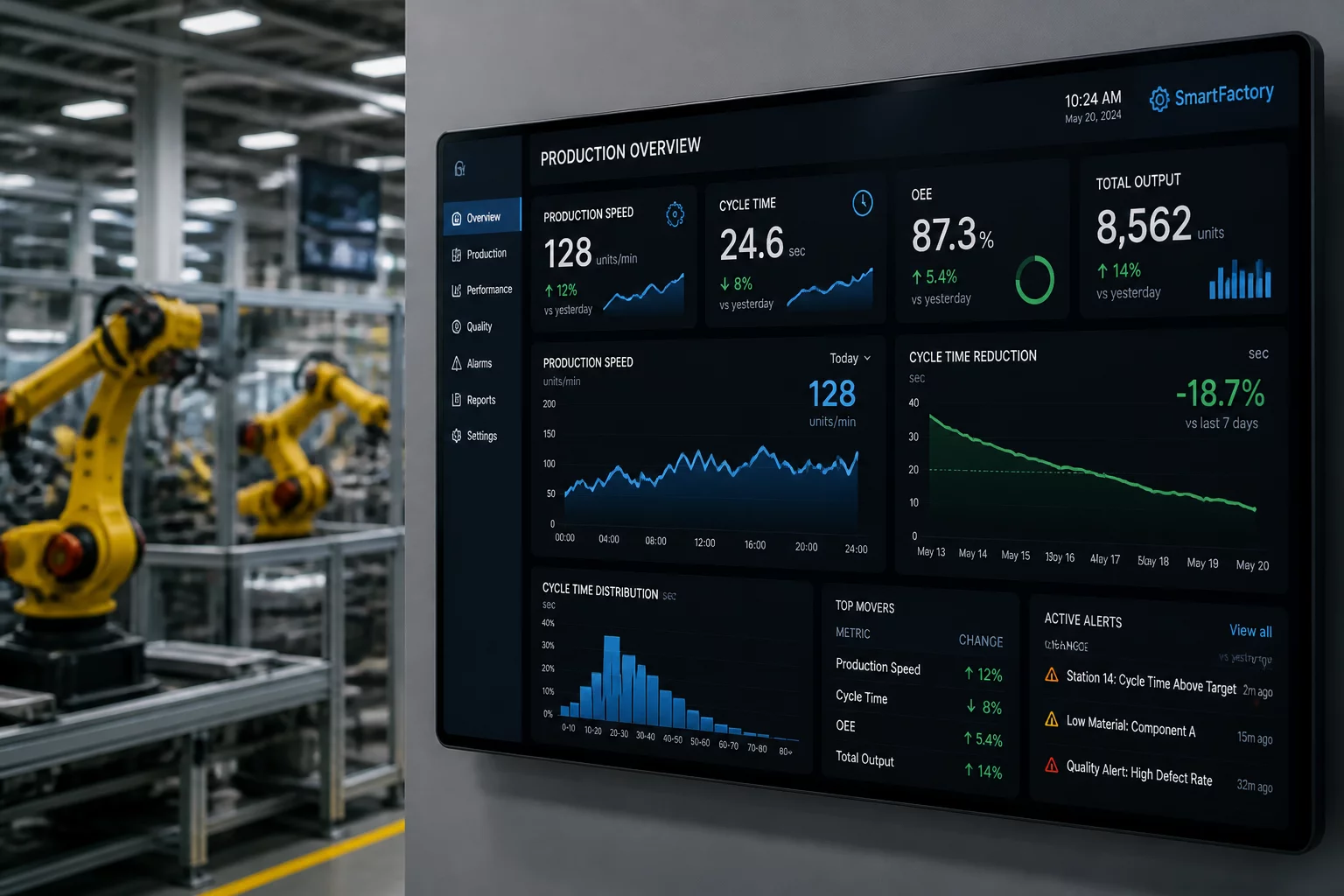
Siemens Cycle Time Reduction Case
Optimizing programmable logic controllers and automated sequence pipelines for 23% throughput efficiency gains.
2026-05-20
BY Linda Croft
PRACTICAL CASE
1. Executive Overview
Modern automotive manufacturing plants demand ultra-fast synchronization across multivariable assembly stages. In this industrial deployment, Siemens Xcelerator solutions were applied to identify bottleneck segments within high-speed robotic stamping lines. The project targeted critical delays in programmable logic controller (PLC) response windows and communication latency. By establishing a unified edge-to-cloud diagnostic network, engineers secured a highly granular overview of microsecond deviations. The resulting workflow optimizations set a new benchmark for automated factory environments seeking immediate, scalable efficiency gains without massive mechanical overhauls.
2. Systemic Challenges
Prior to implementation, the assembly system suffered from recurring synchronization errors. Signals transmitted between the main controller and secondary pick-and-place robots experienced intermittent delays, accumulating into a significant loss of operational cycles per hour. Furthermore, the lack of real-time diagnostics meant that minor sensor misalignments went unnoticed until physical blockages occurred. These unscheduled stoppages compound the overall cycle time losses. Standard debugging procedures proved too slow, calling for a permanent telemetry solution integrated directly with the edge hardware layers.
3. Deployments & Solution Architectures
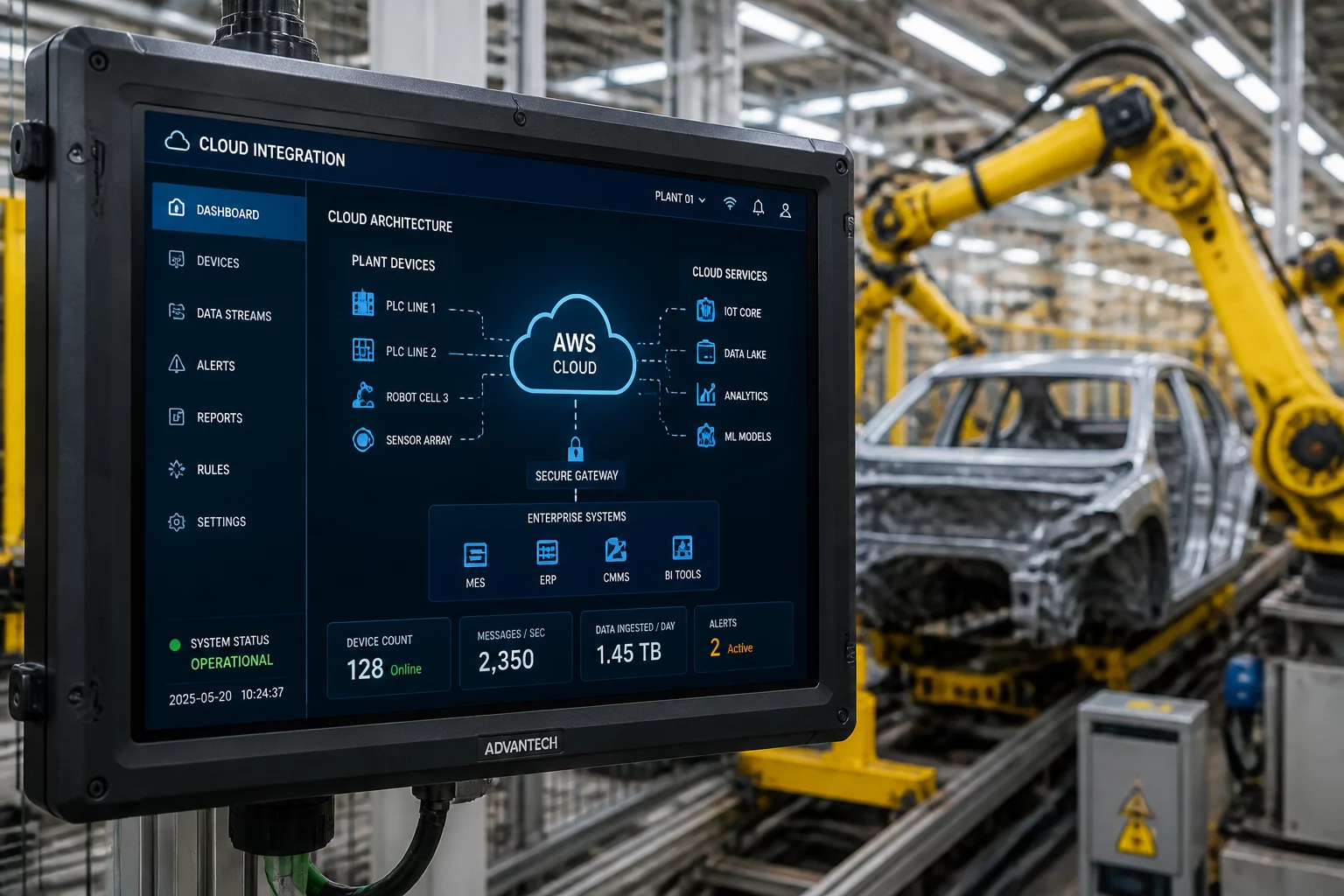
The engineering team implemented the Siemens industrial edge computing architecture to run predictive analytics directly at the machine level. High-speed I/O modules capture signal states at millisecond intervals, feeding data into localized machine learning algorithms. By dynamically modifying the PLC loop times and scheduling non-critical telemetry transmissions during idle intervals, the core cycle time decreased by 180 milliseconds per unit. This architectural shift ensures that control loops maintain absolute priority while diagnostic data is offloaded seamlessly. The system now adjusts task sequences on the fly based on current robot wear levels and motor temperature readings.
// Case Analysis Parameters
| Cycle Time Reduction: | Reduced by 180ms (-23.4%) |
| Average Power Output: | 3.2 kW continuous output |
| Edge Precision Definition: | ±0.05 mm positional tolerance |
| Laser Engine Class: | Siemens Edge Control PLC S7-1500 |
| Lens Focal Length: | F-Theta 163mm scan field lens |
| Dynamic Focus Axis: | Active dynamic correction module |
| Implementation Notes: | System validated under continuous 72-hour stress test. Telemetry transmission verified with zero packet loss. |
| Lead Engineer Assigned: | Linda Croft |
| Audit Date: | 2026-05-20 |
// Related Deployment Projects
// Telemetry Logs & Notes
NO TELEMETRY RECORDED FOR THIS CASE STUDY
Terminal input is operational below.// Leave A Case Telemetry Entry