KOTRA Predictive Maintenance in Automotive
Deploying AI-driven thermal imaging and vibration diagnostics to eliminate unexpected downtime on automotive assembly lines.
2026-08-05
BY Daniel Black
PRACTICAL CASE
1. Executive Overview
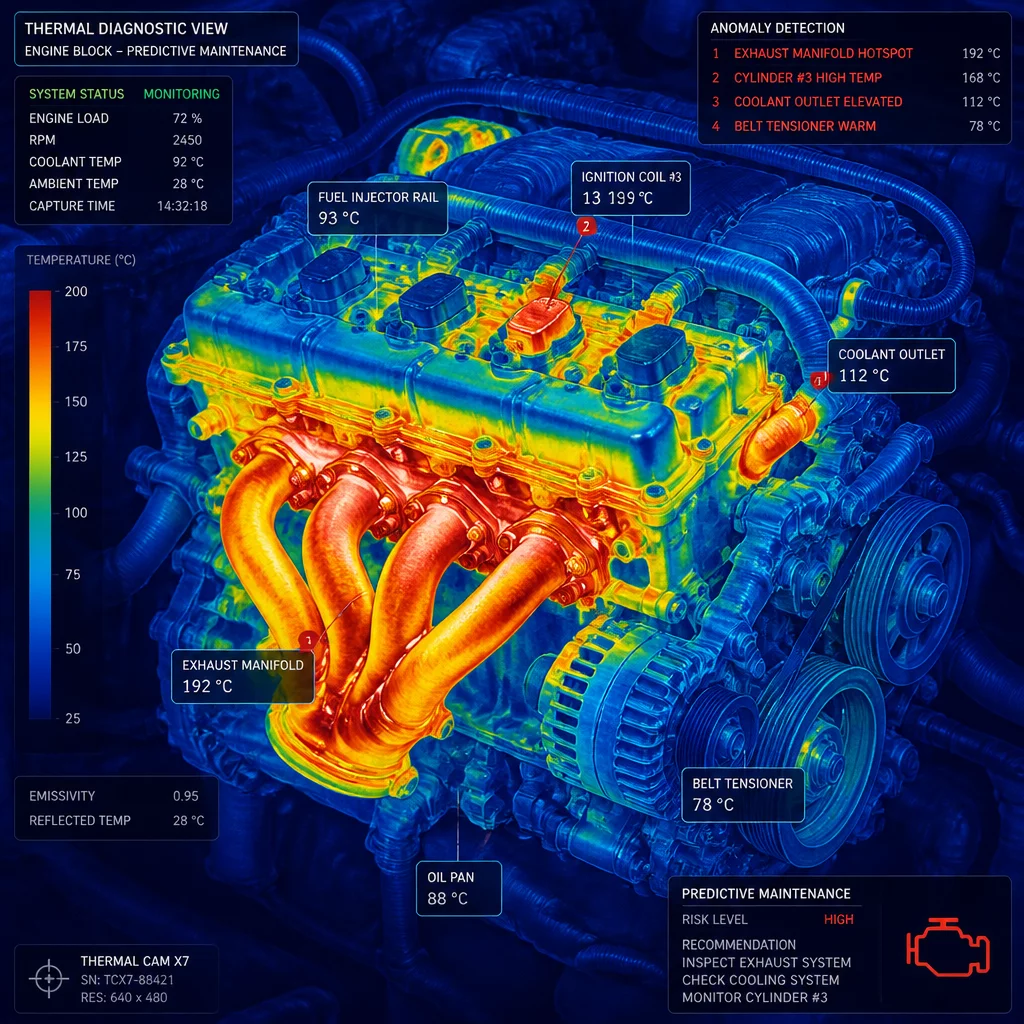
Predictive maintenance represents a massive paradigm shift in modern automotive manufacturing. Driven by the need to eliminate catastrophic failures in critical robotics and high-speed assembly processes, the KOTRA framework integrates continuous telemetry monitoring with machine learning models. By monitoring temperature changes, acoustic emissions, and vibration patterns, automotive plants can address component degradation before it triggers line stoppage. This case study explores the implementation of thermal sensor nodes and AI models designed to flag mechanical wear patterns, protecting high-throughput manufacturing cells from expensive unplanned maintenance cycles.
2. Systemic Challenges
Automotive manufacturing cells operate in harsh, high-vibration environments that degrade sensitive diagnostic equipment. The main challenge was implementing a sensor network capable of surviving continuous operation on heavy-duty welding arms and paint-shop conveyors. Traditional sensors failed due to electromagnetic interference (EMI) from high-voltage welding gear, resulting in corrupted telemetry streams. Additionally, early-stage heat anomalies in gearbox motors were masked by normal ambient temperature rises, requiring advanced AI models to filter baseline factory noise and isolate actual thermal signatures indicating imminent bearing failure.
3. Deployments & Solution Architectures
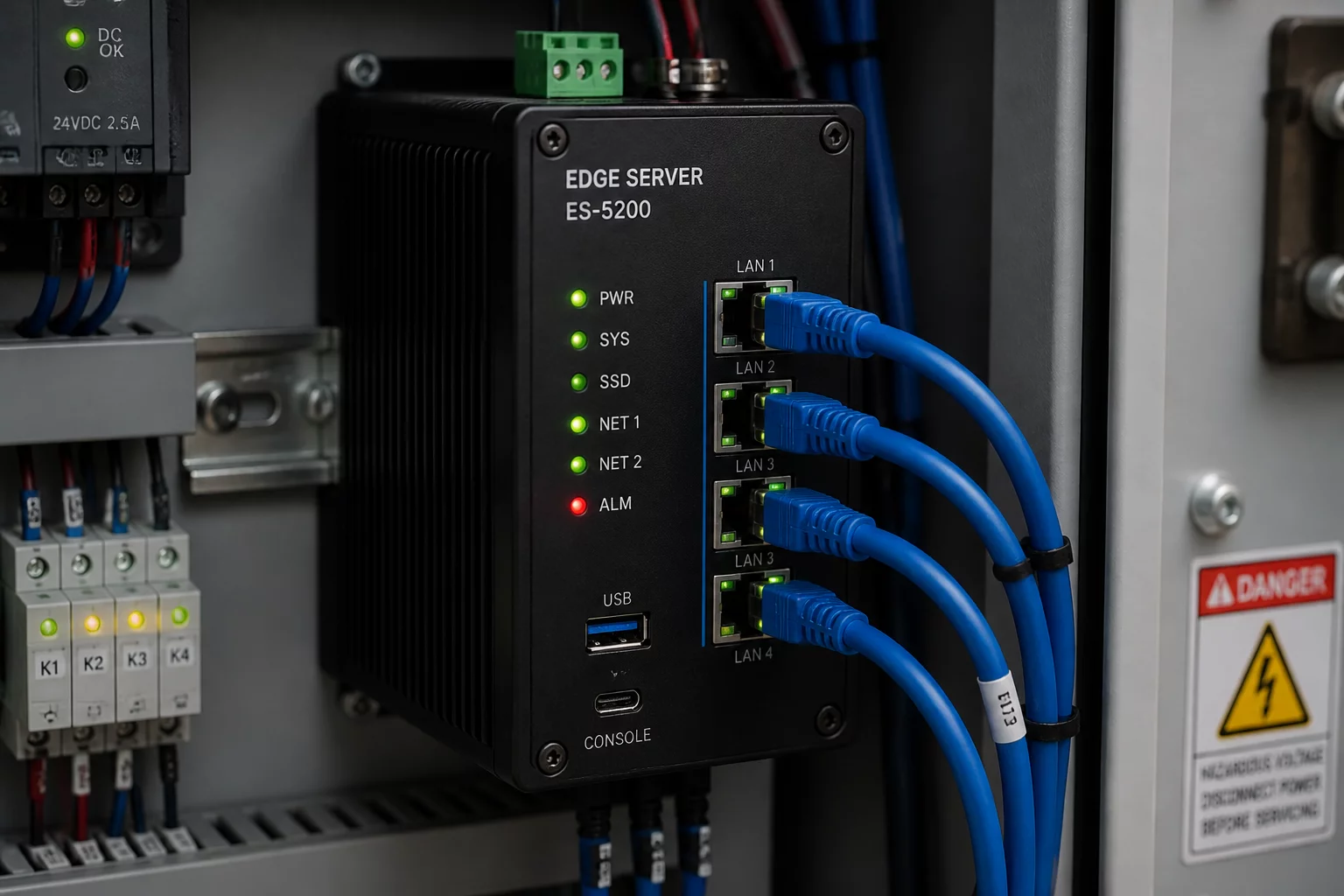
The deployed solution architecture utilizes ruggedized infrared thermal cameras paired with triaxial accelerometers connected to an edge computing node. Real-time sensor data is pre-processed on the plant floor using edge gateways, which filter EMI and compress the telemetry streams before transmission to the cloud. Machine learning algorithms, trained on historical failure signatures, analyze localized heat patterns in motor blocks and joints. If a heat signature rises 5% above the dynamic threshold, an automated alert goes out. This setup allows maintenance crews to schedule component replacement during planned weekend windows, avoiding costly mid-shift line stops.
// Case Analysis Parameters
| Cycle Time Reduction: | Downtime reduced by 22% overall |
| Average Power Output: | Low-power 24V DC Sensor Grid |
| Edge Precision Definition: | Thermal resolution within 0.1°C |
| Laser Engine Class: | Infrared FLIR Diagnostic Array |
| Lens Focal Length: | Wide-angle Germanium Lens |
| Dynamic Focus Axis: | Fixed-focus Industrial Mount |
| Implementation Notes: | Full validation completed in tier-1 robotic welding facility. |
| Lead Engineer Assigned: | Daniel Black |
| Audit Date: | 2026-08-05 |
// Related Deployment Projects
// Telemetry Logs & Notes
NO TELEMETRY RECORDED FOR THIS CASE STUDY
Terminal input is operational below.Custom styling// Leave A Case Telemetry Entry